


What’s the difference between working with adults, pediatrics, and neonates in healthcare?
Adults vs. Pediatrics vs. Neonatal
Respiratory Care
Thoughts
As an RT student you may be wondering what caring for different size patients is like. The care you provide is different, but most of the respiratory evidence based practice and lung mechanic theory is the same with some subtle differences. So which do you choose? Let’s compare and contrast the various patient populations in the hospital.
Autonomy & Adults
There is a lot of room to grow when working with adults from a skill set standpoint. In adult care usually there is less oversight from the physician team and there is more autonomy to be had from the nursing and respiratory therapy teams. Once you build up your rapport with the healthcare team (doctors, nurses, etc) it is easier to gain autonomy at a faster rate. The residents will defer to you and your judgment more since you have more experience with the ventilator. I will say though that autonomy for any profession is facility/hospital dependent. Some hospitals are driven by nurses and respiratory therapists and others are driven by physicians.
Caring for adult patients is nice in my opinion, because they are able to speak and tell you how they feel. The caveat can be when they are not speaking very nicely. Security can be called if you have a patient getting too rowdy. Another nice things is they can tell you when they are in pain and they usually deteriorate at a slower pace than pediatrics or neonatal patients. In other words, you have time to catch them when they are falling if you have good patient assessment skills. Sometimes this is why healthcare staff members seem to be tougher and have thicker skin on the adult side of patient care.
Their ailments are different from pediatrics, because they typically have chronic illness and disease that occur over time or were previously healthy and were in a traumatic accident. Their patient histories can be long and some are genetic in origin, however, many of the ailments are chronic in nature and build up over time.
Made for all my Healthcare PEEPS
Common CHRONIC adult diseases include:
COPD
Pulmonary Fibrosis
CHF
Interstitial Lung Disease
Cancer (Lung, Thyroid, Brain, Stomach)
ALS
Myasthenia Gravis
Guillan-Barre
Stroke
Heart Attack
Hypertension
Diabetes
Obesity
Genetics
Long Term trach patient
Blood Disorders
CKD
And the list goes on and on!!!
Common ACUTE adults disease
Pneumonia
Infection (limbs, lungs, sepsis, brain, gangrene, pressure ulcers, abscess)
Acute exacerbation of a chronic disease
Foreign Body Aspiration
Traumatic Brain Injury
Car Accident
Gun Shot Wound
Allergic Reactions
Aspiration
And the list goes on and on!
Pediatrics
When I first switched from adults to pediatrics, I was surprised to find my patients had just as long of a patient history if not longer than my adult patients. However, the list of diseases was nothing like the adult list. I initially thought, what could possibly be wrong with these newborns or pediatric patients?
Many things apparently.
Common CHRONIC diseases in pediatrics
Trisomy 21
Trisomy 18
Congenital Heart Defects (various types)
Tracheobronchomalacia
Vocal Cord Paralysis
Bronchopulmonary Dysplasia
Lung Hypoplasia
Cystic Fibrosis
Pulmonary Hypertension
Down Syndrome
Heart Transplant
Lung Transplants
Airway Anomalies
Too many congenital diseases to count
Asthma exacerbation
Heart Failure
Muscular Dystrophy
Common ACUTE Diseases in pediatrics
Pneumonia (Flu, RSV, Adenovirus)
MIS-C
Infection (Staph, Strep, etc).
Near Drowning
Broken Limbs
Traumatic Brain Injuries
Intraventricular Hemorrhage
Foreign Body Aspiration
Car accidents
Abuse (sexual, physical, emotional)
Neglect
Mental Health (Suicidal Ideation)
Compensate to Crash
Pediatric patients are more prone to showing you their symptoms because they do not try to hide their symptoms the way some adults do. Some adult patients try to be strong and not show fear or pain, but when a child is sick, they are not afraid to cry out in pain or show fear. They are easier to assess for this reason. Children do compensate better to maintain normal ABG’s. They will breathe fast and labored and have a beautiful arterial blood gas to show for it. However, this patient will crash at some point simply because that level of work is not sustainable. Children crash faster and with less warning than adult patients. Our hospital has Ambu bags setup with masks always attached and the flow always on. It is just our hospital policy. I can’t tell you how many times that has come in handy just when you need it!
HeART of Gold
I have noticed that staff at pediatric hospitals are usually happier with bright eyes and bushytails. There is also more color on the walls and nice art on the walls that all have to do with the fact that it is a pediatric hospital. All of those vibrant colors and artwork are for the children, but I think the staff benefits from them as well. Don’t get me wrong, I loved working with adults and will never regret the time I spent healing them. I do miss having conversations with my adult patients and hearing their words of thanks and gratitude. Most of my peds patients do not know how to talk, but they say thank you with their eyes and priceless smiles. Sometimes when I leave work, I feel like my patients changed my life more than I changed theirs. That is a special feeling.
TOP BLOG POSTS

Neonatal
I started working in Labor and Delivery and NICU last year. Let me tell you, I gained a much better understanding of what it means to be a mother and what it means to birth a child. I will never go through it, but I appreciate the strong mothers out there who gave birth to our planet. Working with premature babies terrified me at first. They are less than 1 kg and could fit in my hand. I felt humbled and scared to be too rough with them. Don’t worry though you will learn how to be the softest and most gentle respiratory therapist you can be. One of the most rewarding things I learned was when our NICU babies would be upset and hypertensive I realized they were crying for comfort. I would put my finger in the isolette and they would grab onto it and miraculously calm down. I would stay for a few minutes so they could remain calm. All they wanted at the time was to know was that someone was there. It warmed my heart every time.
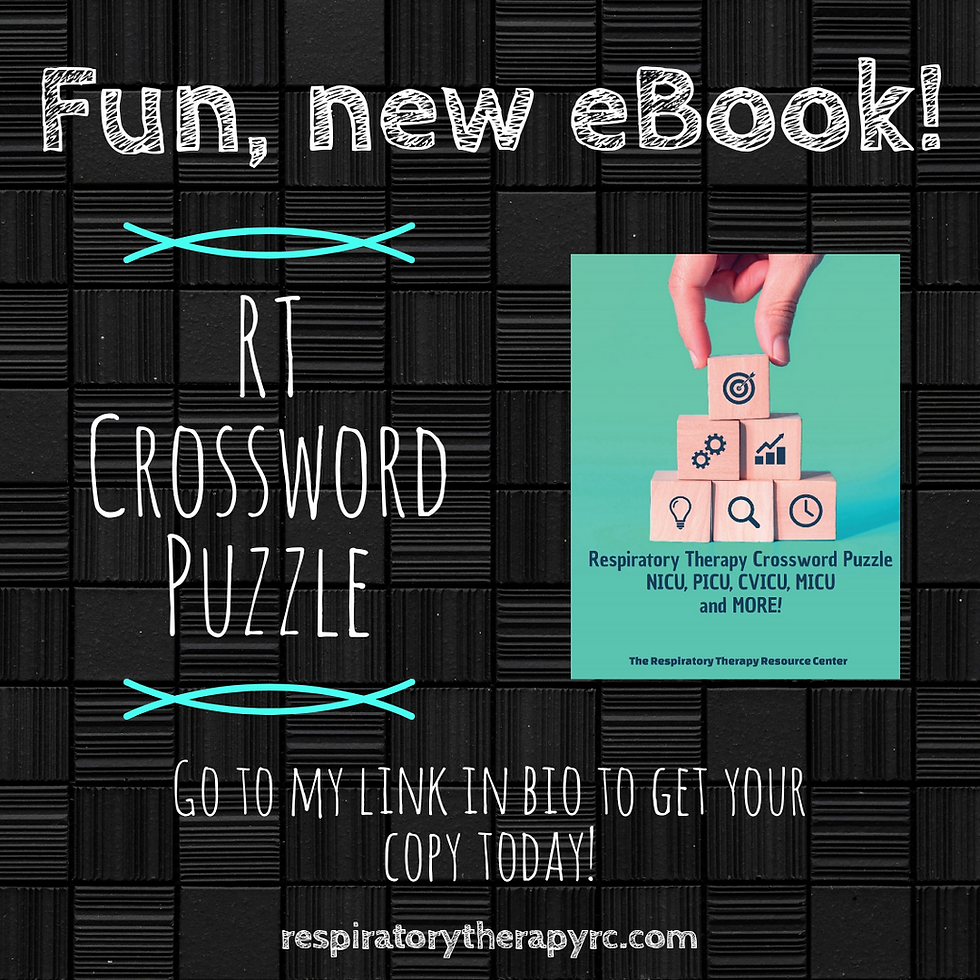
I wrote two short 1 pager eBooks for new RT’s entering the NICU if you’re interested in the clinical pointers I learned that I view as very important when caring for preemies. Click the images below for your free copies of each!
FREE eBooks!
Common ACUTE Diseases for Neonates
Congenital issues
Necrotizing Enterocolitis (this one sneaks up on you.)
Respiratory Distress Syndrome (super common)
Surfactant delivery and HFOV are common treatments for RDS!
Transient Tachypnea of the Newborn
Congenital Diaphragmatic Hernia
Congenital Heart Diseases
Amniotic Bands
Placenta Accreta
Twin to Twin Perfusion
Intrauterine Growth Restriction
And so many more!
Closing Thoughts
All of these patient populations are very different in their disease processes and the way you approach them; however, each is extremely rewarding in different ways. I always tell new grads and RT students to work in adults and get that solid experience and autonomy going. Then when you are ready for a change go to pediatrics. It is easier to transition from adults to pediatrics, but very difficult to go from pediatrics to adults in my opinion. I am so glad I got adult experience and built that autonomy and clinical independence, it definitely made me a better therapist.


.png)

Comments